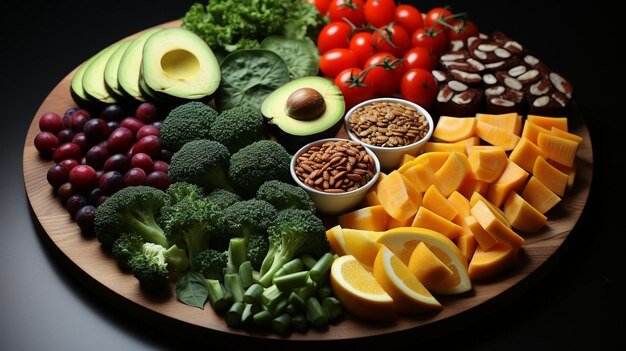
Eating out used to mean making a choice: delicious food or healthy eating. For far too long, the two felt mutually exclusive, leaving health-conscious diners navigating menus with a sense of dread or guilt. But the culinary landscape has transformed dramatically, ushering in an era of Dietary & Lifestyle Dining where flavor and well-being aren't just compatible – they're celebrated in unison.
This isn't about rigid restrictions; it's about empowerment. It's about knowing how to confidently choose meals that align with your health goals, ethical stance, or personal preferences, all while enjoying the vibrant social experience of restaurant dining. Whether you're plant-based, gluten-sensitive, or simply aiming for fresh, wholesome ingredients, the modern restaurant scene, particularly in health-forward regions like Fremont and the East Bay, is increasingly designed to cater to you. Here, kitchens prioritize freshness, organic ingredients, and local sourcing, proving that nutritious can be incredibly delicious.
At a Glance: Navigating the World of Dietary & Lifestyle Dining
- Research is Your Best Friend: Check menus online before you go to identify suitable options.
- Don't Be Afraid to Ask: Servers and chefs are usually happy to clarify ingredients and preparation methods.
- Prioritize Whole Foods: Look for fresh vegetables, lean proteins, and complex carbohydrates.
- Embrace Customization: Many dishes can be modified to fit your needs (e.g., sauce on the side, no cheese).
- Understand Cooking Methods: Grilled, baked, steamed, or roasted options are generally healthier than fried.
- Look for Transparency: Restaurants that highlight sourcing or nutritional information are often a good sign.
- It's About Balance: Enjoy your meal without guilt, knowing you made informed choices.
The Evolution of the Plate: Why Dietary & Lifestyle Dining Matters Now More Than Ever
In an age where wellness is more than just a buzzword, our relationship with food has deepened. Diners are no longer content with just satisfying hunger; they seek nourishment, ethical sourcing, and meals that contribute positively to their overall well-being. This shift has propelled restaurants to innovate, moving beyond simple 'diet' menus to integrate comprehensive dietary and lifestyle considerations into their core offerings.
From the bustling streets of Silicon Valley to the more relaxed vibes of the East Bay, establishments are responding to this demand. They're fusing global culinary trends with traditional cooking methods, ensuring dishes are both wholesome and satisfying. The focus is on quality ingredients, often organic and locally sourced, minimizing processed elements, and maximizing flavor through fresh produce, herbs, and spices rather than excessive fats or sugars. This evolution means you can now enjoy an exquisite meal that truly aligns with your personal health philosophy.
Decoding Restaurant Menus: Your Guide to Confident Choices
The menu isn't just a list of dishes; it's your map to a satisfying and suitable meal. Learning to read it effectively, beyond just the names of the dishes, is the first step toward successful dietary dining.
Understanding Ingredients and Preparation
When scanning a menu, pay attention to descriptive words. Are ingredients described as "fresh," "seasonal," "local," or "organic"? These are often indicators of a kitchen that values quality. Equally important are the cooking methods. "Grilled," "baked," "roasted," "steamed," or "sautéed" are generally preferable to "fried," "breaded," or "crispy," which often imply higher fat content.
Consider the "Meyhouse Palo Alto," for instance. Their "ingredient-first philosophy" means they minimally handle high-quality ingredients, sticking to authentic recipes and avoiding modern techniques like sous vide that might obscure natural flavors. This focus simplifies healthy choices, as the integrity of the food is paramount.
Navigating Specific Dietary Needs
1. Vegetarian and Vegan Dining: A World of Plant-Based Plenty
For vegetarians and vegans, the options have exploded. Restaurants are moving beyond token salads, creating inventive, flavor-packed dishes that make plant-based eating a culinary adventure. You'll find everything from hearty grain bowls to complex vegetable curries, showcasing the versatility of plant ingredients.
Look for dedicated vegetarian or vegan sections on menus, or dishes clearly marked with symbols. Don't hesitate to ask if a vegetarian dish can be made vegan by removing dairy or eggs. Many chefs are adept at substitution.
In Palo Alto, "TAVERNA" specializes in nutritious Greek cuisine, emphasizing 'philotimo' – 'love of honor' for wholesome food. They're highly vegetarian-friendly, offering many small bites and appetizers that can easily form a satisfying plant-based meal. Similarly, "True Food Kitchen" (Palo Alto and Walnut Creek) is renowned for its healthy, fresh, and enjoyable dishes, with extensive vegetarian and vegan options designed by Dr. Andrew Weil's integrative medicine principles. They even offer delicious plant-based burgers and pizzas.
For those exploring the vibrant plant-based scene, you might find inspiration by checking out the Best Vegan Restaurants in London, highlighting how diverse and exciting vegan dining has become globally.
2. Gluten-Free Friendly: Eating Without Compromise
Gluten-free dining has moved from niche to mainstream. With a significant portion of the population sensitive to gluten, restaurants are increasingly offering gluten-free bread, pasta, and even dedicated fryers to prevent cross-contamination.
- Ask for a Gluten-Free Menu: Many establishments have separate menus detailing their GF options.
- Clarify Ingredients: Sauces, marinades, and dressings can often contain hidden gluten.
- Beware of Cross-Contamination: If you have Celiac disease, always inform your server about the severity of your allergy.
While "Eataly Silicon Valley - La Pizza & La Pasta" celebrates traditional Napoli-style pizza and fresh, in-house-made pasta, you can often find gluten-free pasta alternatives upon request, or focus on their extensive antipasti and salads. For a deeper dive into safe dining practices, you can explore Londons Celiac-safe restaurants for examples of how cities are accommodating this need.
3. Allergies and Sensitivities: Communicate Clearly
Peanut, shellfish, dairy, soy – food allergies require clear communication. Always inform your server immediately and comprehensively about any severe allergies. Most kitchens take allergies very seriously and have protocols in place to prevent reactions. Be specific about what you can't have, rather than just what you don't want.
4. Paleo, Keto, and Low-Carb: Focus on Proteins and Produce
These diets emphasize whole, unprocessed foods, with variations in carbohydrate intake. When dining out, look for: - Lean Proteins: Grilled fish, chicken, steak (without sugary marinades). Nobu Palo Alto, with its blend of Japanese and Peruvian food, offers incredible fresh fish dishes like Alaskan Black Cod and Yellowtail Sashimi Jalapeño, perfect for low-carb or paleo diets.
- Non-Starchy Vegetables: Steamed or roasted vegetables are excellent choices.
- Healthy Fats: Avocado, olive oil, nuts (ask for dressings on the side).
- Avoid: Breads, pastas, rice, sugary sauces, and fried items.
5. Halal and Kosher: Specific Dietary and Preparation Requirements
These dietary laws govern not just what foods can be eaten, but also how animals are slaughtered and how food is prepared and handled. While finding strictly Kosher restaurants can be challenging outside of specific communities, many restaurants now offer Halal meat or vegetarian options suitable for Halal diners.
If you're looking for specifically certified options, resources like Top Halal Eats in Central London can guide you to establishments that adhere to these important dietary standards. When dining out, look for specific menu disclaimers or inquire directly with the staff about their sourcing and preparation methods if these are important to your lifestyle.
Beyond the Plate: Lifestyle Choices and Ethical Dining
Dietary & Lifestyle Dining extends beyond just the ingredients; it encompasses how those ingredients are sourced, prepared, and even the overall philosophy of the restaurant.
Organic, Locally Sourced, and Sustainable Practices
The movement towards organic and locally sourced ingredients isn't just a trend; it's a commitment to quality, flavor, and environmental responsibility. Restaurants that embrace these practices often provide fresher, more nutritious food while supporting local economies and reducing their carbon footprint.
"Local Union 271" exemplifies this, sourcing "exceptionally produced food and drink from local farms, ranches, dairies, hatcheries, bakeries, fisheries, breweries, and wineries." Their mission to provide healthy, sustainable, safe, and organic ingredients resonates deeply with conscious diners. Similarly, "True Food Kitchen" proudly sources its produce and proteins, emphasizing seasonal, scratch-made, chef-crafted menus.
Mindful Cooking Methods
How food is cooked makes a significant difference to its nutritional profile.
- Grilling: Excellent for lean proteins and vegetables, locking in flavor without added fats.
- Baking/Roasting: A versatile method that uses minimal oil, ideal for vegetables, fish, and lean meats.
- Steaming: Preserves nutrients and keeps food light and fresh.
- Sautéing: Can be healthy if done with minimal healthy oils (e.g., olive oil) and fresh ingredients.
Conversely, deep-frying or dishes heavily sauced with cream or butter-based ingredients, while delicious, might be best enjoyed in moderation if health is a primary concern.
Portion Control and Mindful Eating
Dining out often means larger portions.
- Share Entrees: Many restaurants offer generous portions that can easily serve two or more. "Valley Goat," for instance, celebrates Northern California's seasonal ingredients with a shareable, globally inspired menu.
- Box Half Your Meal: Ask for a to-go box at the beginning of your meal and pack away half your entree before you start eating.
- Listen to Your Body: Eat slowly, savor each bite, and stop when you feel satisfied, not stuffed.
Navigating Different Cuisines with Wellness in Mind
Every cuisine offers unique flavors and, importantly, unique opportunities for healthy choices.
Mediterranean Cuisine: The Heart-Healthy Powerhouse
Mediterranean dining is often hailed as one of the healthiest dietary approaches. It emphasizes fresh vegetables, fruits, whole grains, lean proteins (especially fish and legumes), and healthy fats like olive oil.
"Meso Modern Mediterranean" at Santana Row perfectly embodies this. Inspired by Greece, Morocco, Italy, and France, their menu features freshly grilled seafood, lamb tagines, aromatic flatbreads, and mezze platters. The natural abundance of fresh produce, lean proteins, and flavorful herbs makes it an easy choice for healthy and delicious dining. "TAVERNA" in Palo Alto also excels in nutritious Greek cuisine, offering a variety of fresh and wholesome dishes.
Italian Cuisine: Finding Balance in Comfort Food
While Italian food can be rich, it also offers incredible freshness.
- Prioritize Vegetables: Antipasti, minestrone, and vegetable-heavy pasta sauces are excellent choices.
- Choose Wisely: Opt for fresh, housemade pasta with lighter, tomato-based sauces rather than creamy ones. Piatti in Danville, established in 1987, excels at this with finely crafted fresh Italian cuisine and housemade pasta rolled, cut, and cooked daily by hand.
- Thin-Crust Pizza: Napoli-style pizza, like that served at "Eataly Silicon Valley - La Pizza & La Pasta," often has a thinner crust and can be loaded with fresh vegetables and lean proteins. Just be mindful of cheese and heavy meat toppings.
Japanese and Peruvian: Freshness and Precision
Cuisines like Japanese and Peruvian, especially when focusing on sushi, sashimi, and ceviche, naturally lean towards fresh, unprocessed ingredients.
- Sashimi and Nigiri: Excellent sources of lean protein and omega-3 fatty acids. "Nobu Palo Alto" is a prime example, with signature dishes like Yellowtail Sashimi Jalapeño and Salmon Sashimi New Style showcasing pristine fresh fish.
- Limit Tempura: While delicious, tempura is fried.
- Watch Sodium: Soy sauce can be high in sodium; use sparingly or ask for low-sodium options.
- Ceviche: A refreshing, lean option featuring fresh fish "cooked" in citrus juices.
New American and Global Inspired: The World on Your Plate
Restaurants with globally inspired or New American menus often offer the most flexibility, as they draw from diverse culinary traditions.
- Look for Seasonal Menus: This indicates a commitment to fresh, peak-flavor ingredients. "Valley Goat" consistently updates its menu to celebrate Northern California's seasonal bounty.
- Share Plates: Many dishes are designed for sharing, allowing you to sample a variety of healthy options without over-ordering.
- Ask About Fusion: Understand the different culinary influences to better predict ingredient combinations and preparation methods.
Asking the Right Questions: Empowering Your Dining Experience
You are your own best advocate when it comes to Dietary & Lifestyle Dining. Don't be shy about seeking information.
Before You Go: Research and Preparation
- Check Online Menus: Most restaurants have their menus available online. This allows you to plan ahead, identify suitable dishes, and even call the restaurant with specific questions during non-peak hours.
- Read Reviews: Look for mentions of how the restaurant handles dietary restrictions or allergies in customer reviews.
- Call Ahead: For complex dietary needs or severe allergies, a quick call to the restaurant can confirm their ability to accommodate you and put your mind at ease.
At the Restaurant: Communicating with Confidence
- Be Clear and Concise: Explain your dietary needs simply and directly to your server. "I have a gluten allergy," or "I'm vegan, are there any dishes without dairy or eggs?"
- Ask for Recommendations: Servers are often knowledgeable about the menu and can guide you to appropriate choices or suggest modifications.
- Customization is Key: Don't be afraid to ask for modifications. Examples: "Can I have the dressing on the side?" "Can this be made with olive oil instead of butter?" "Could I swap the fries for steamed vegetables?"
- Reconfirm When Necessary: If you have severe allergies, it's perfectly acceptable to politely reconfirm when your dish arrives that it has been prepared according to your requests.
Common Pitfalls and How to Avoid Them
Even with the best intentions, it's easy to stumble into unhealthy traps when dining out.
- Hidden Sugars and Unhealthy Fats: Many sauces, marinades, and dressings are loaded with sugar, high-fructose corn syrup, or unhealthy fats. Always ask for sauces on the side.
- "Healthy" Labels Can Be Misleading: A dish labeled "light" or "healthy" isn't always what it seems. A "healthy" salad can become calorie-dense with excessive cheese, candied nuts, or creamy dressings. Scrutinize ingredients, not just marketing terms.
- Over-Reliance on Bread Baskets and Appetizers: It's easy to fill up on bread before your meal even arrives. Ask for the bread to be removed, or simply opt for a lighter appetizer like a broth-based soup or a simple green salad.
- Dessert Indulgence: You don't have to skip dessert entirely. Share one with a dining companion, or opt for fresh fruit if available. The goal is mindful enjoyment, not deprivation.
Your Go-To Healthy Dining Hotspots: Local Gems for Conscious Eaters
The East Bay and Silicon Valley areas are a testament to the growing demand for quality Dietary & Lifestyle Dining. Here are some standout examples that embody the principles we've discussed:
- True Food Kitchen (Palo Alto & Walnut Creek): Founded on the anti-inflammatory principles of Dr. Andrew Weil, True Food Kitchen is a beacon of healthy eating. Their scratch-made, chef-crafted menus emphasize seasonal ingredients, bold flavors, and proudly sourced produce and proteins. With extensive vegetarian, vegan, and gluten-free options, it's a reliable choice for any dietary need. Whether you opt for their 100% Grass-Fed Burgers, Pizzas on in-house fermented Sourdough Crust, or a vibrant bowl or salad, you know you're getting something both nutritious and delicious.
- Meso Modern Mediterranean (Santana Row): Step into a culinary journey inspired by the healthy traditions of Greece, Morocco, Italy, and France. Meso offers a delightful array of freshly grilled seafood, succulent lamb tagines, and aromatic mezze platters. The warm ambiance and emphasis on fresh, wholesome ingredients make it an ideal spot for a flavorful and health-conscious meal.
- TAVERNA (Palo Alto): This Greek gem lives by 'philotimo,' serving nutritious, wholesome food with love and honor. Their menu, praised for its freshness and variety, is particularly vegetarian-friendly, offering an abundance of small bites and appetizers that allow for a customized, healthy dining experience.
- Local Union 271 (East Bay): A true champion of local sourcing, this family-owned restaurant is committed to providing healthy, sustainable, safe, and organic ingredients. By partnering with local farms and ranches, they ensure every dish reflects the bounty of Northern California, making it a perfect choice for those prioritizing ethical and fresh dining.
- Meyhouse Palo Alto: With an "ingredient-first philosophy," Meyhouse offers a refreshing approach to dining. They minimally handle high-quality ingredients, focusing on authentic recipes to create unique seafood and grilled delicacies. This commitment ensures pure flavors and a naturally healthier meal, free from overly processed modern techniques.
- Nobu Palo Alto: Located at the Nobu Hotel, this renowned establishment masterfully blends Japanese and Peruvian cuisines. Known for its exquisite fresh fish, Nobu offers an array of sashimi, ceviche, and signature dishes like Alaskan Black Cod and Yellowtail Sashimi Jalapeño that are perfect for those seeking lean proteins and vibrant, clean flavors.
- Piatti (Danville): Since 1987, Piatti has been synonymous with finely crafted fresh Italian cuisine. Their housemade pasta, rolled, cut, and cooked daily by hand, paired with fresh, seasonal ingredients, offers opportunities for balanced meals. Opt for vegetable-heavy sauces or lean protein pairings to enjoy the richness of Italian flavors healthily.
- Eataly Silicon Valley - La Pizza & La Pasta: While a celebration of authentic Italian flavors, Eataly allows for mindful choices. Beyond the irresistible Napoli-style pizza and fresh, in-house-made pasta, you can explore their extensive array of fresh salads, cheeses, and charcuterie, offering lighter options to complement your meal.
- Valley Goat (Bay Area): Chef Stephanie Izard and the Boka Restaurant Group lead this establishment, which celebrates Northern California's seasonal ingredients with a globally inspired, shareable menu. This format encourages trying a diverse range of dishes and managing portion sizes, aligning perfectly with a balanced lifestyle approach to dining.
Making Every Meal Out a Choice You Feel Good About
The world of Dietary & Lifestyle Dining is an exciting one, full of flavor, innovation, and thoughtful choices. It's about empowering yourself to enjoy the social pleasure of eating out without compromising your health goals or personal values. By taking a proactive approach – doing a little research, communicating clearly, and understanding your options – you can confidently navigate any menu and discover truly satisfying, wholesome, and delicious restaurant experiences. So go forth, explore, and savor every bite!